

KTC was the Official Ground Transportation Partner for the ICC Men’s T20 World Cup 2026, providing ground mobility for all participating teams, match officials and event stakeholders across both host countries, India and Sri Lanka.
It is the largest ground transport brief in cricket: twenty teams, eight venues in two countries, and a twenty-nine day window in which nothing can be late. This is what that operation actually involved.
The scale of the assignment
The 2026 edition ran from 7 February to 8 March across eight venues. Five were in India, at the Narendra Modi Stadium in Ahmedabad, the MA Chidambaram Stadium in Chennai, the Arun Jaitley Stadium in New Delhi, the Wankhede Stadium in Mumbai and Eden Gardens in Kolkata. Three were in Sri Lanka, at the R. Premadasa Stadium and the Sinhalese Sports Club Ground in Colombo, and the Pallekele International Cricket Stadium in Kandy. Forty group matches were followed by the Super Eights and a final in Ahmedabad.
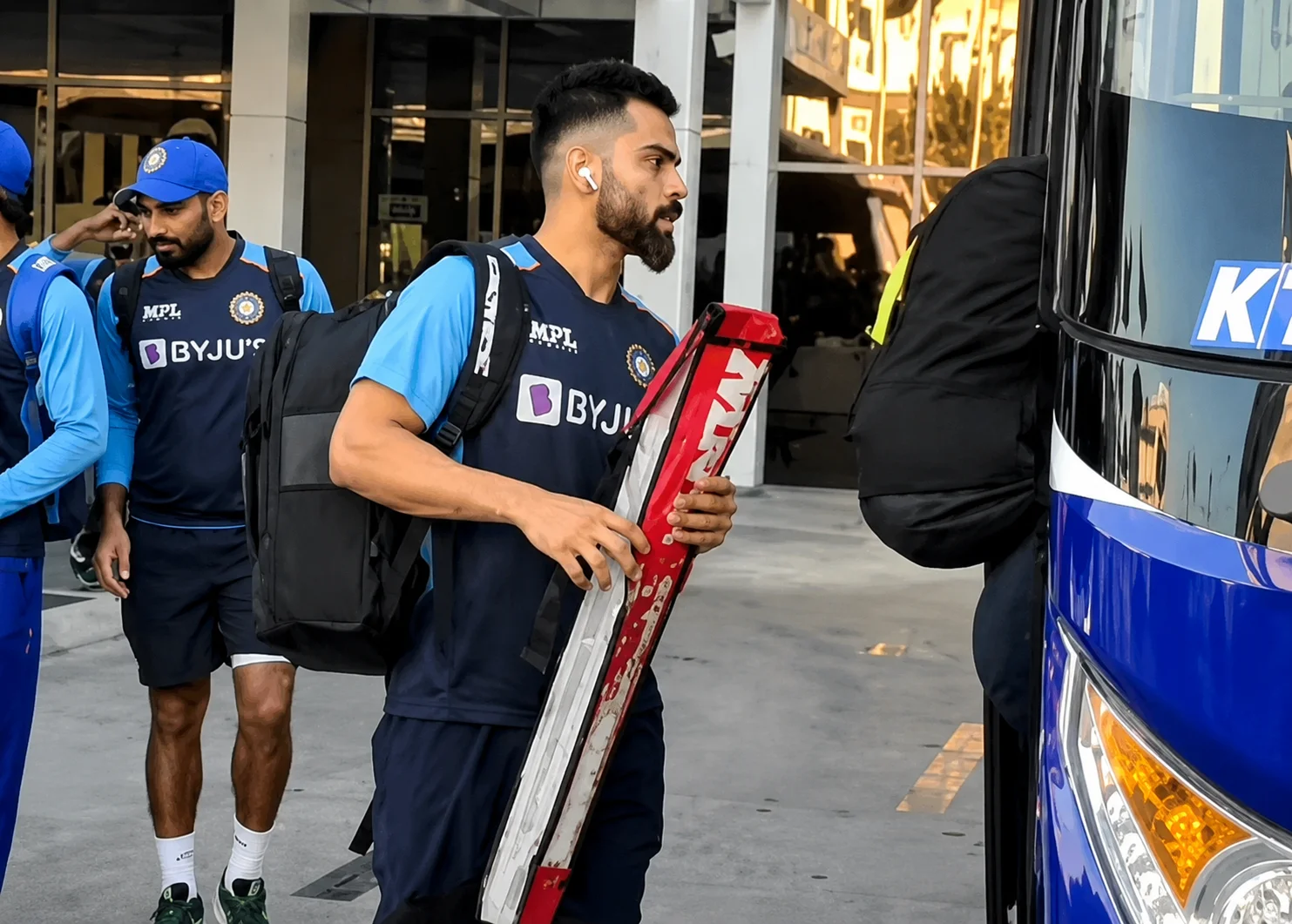
Twenty squads, each with players, coaching staff, physios, analysts, media managers and security, moving between hotels, training grounds and stadiums, in two countries, on a fixed broadcast schedule. Add match officials, ICC staff, broadcast crews and commercial stakeholders, and the vehicle count runs into the hundreds across the tournament.
Two countries, one operator, one standard
The genuinely difficult part of a co-hosted tournament is not the number of vehicles. It is consistency. A team that flies from Colombo to Chennai should not notice a change in how it is looked after. The vehicle specification, the chauffeur briefing, the arrival protocol and the escalation path all have to be identical on both sides of the water.
That is a single-operator problem. Contracting separately in each country produces two standards, two invoices and two people to call when a schedule moves. KTC ran both legs to one brief, with Sri Lanka operations held to the same specification as the Indian fleet.
What partnering “all teams” actually means
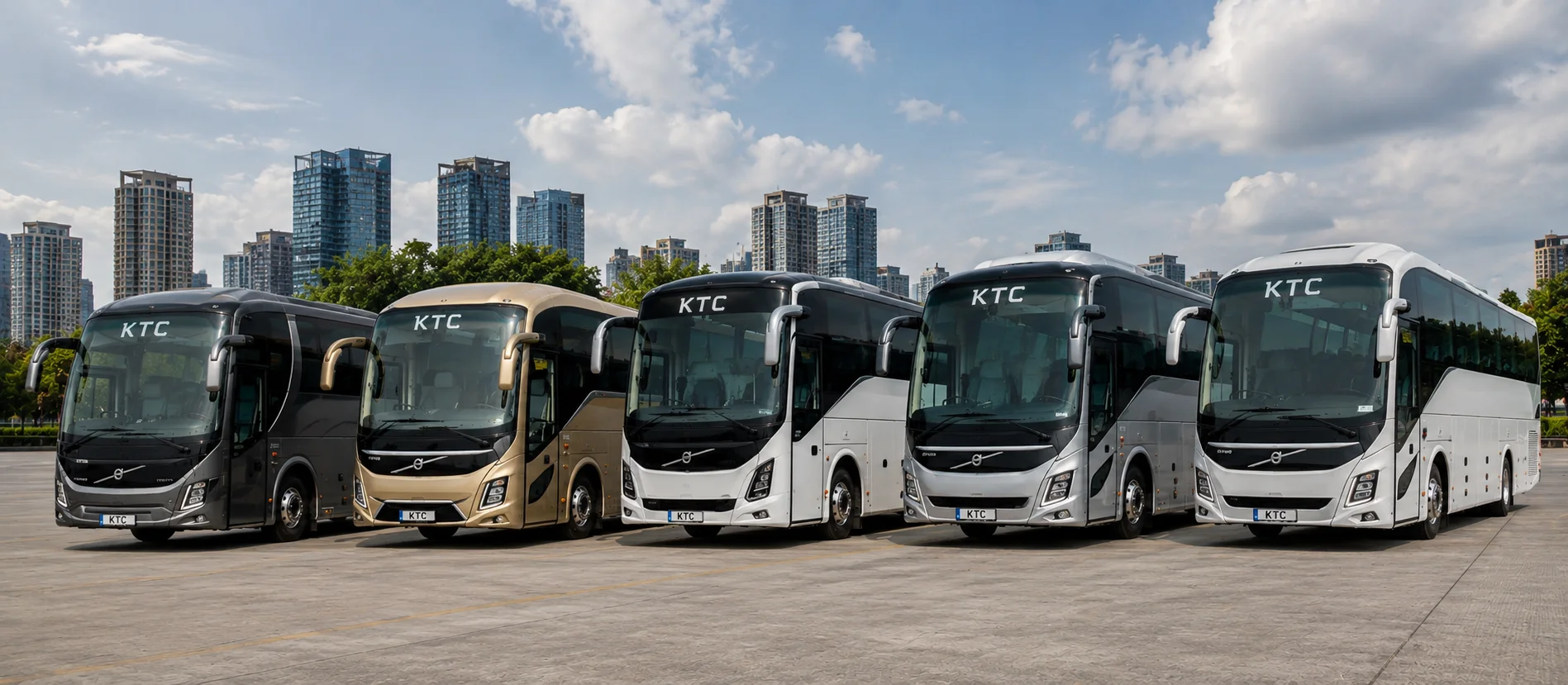
Serving every team in a tournament is operationally different from serving one franchise. Neutrality becomes an operating requirement:
- Identical standard for every squad. No team gets the newer coach. Specification is fixed and applied across the board.
- Separation between camps. Two teams playing each other cannot share a vehicle, a staging area or, in some cases, a hotel entrance. Movement orders are built to keep them apart.
- Confidentiality. Chauffeurs are briefed that squad movements, timings and conversations do not leave the vehicle.
- Language and dietary awareness. Twenty nations means twenty sets of expectations, and the ground crew is the first point of contact for many of them.
Matchday, officials and the movements nobody sees
Team arrivals are the visible part. Behind them sits a second operation: match officials and referees, who must arrive independently of both teams; broadcast and production crews working to a different clock entirely; ICC tournament staff moving between venues; and commercial and hospitality guests around each fixture.
Each group has its own timing, its own accreditation and its own access route into the ground. They are planned as separate movement streams inside one schedule, which is the same discipline KTC applies to the G20 Summit, the ASEAN Summit and heads of state visits.
The fleet behind it
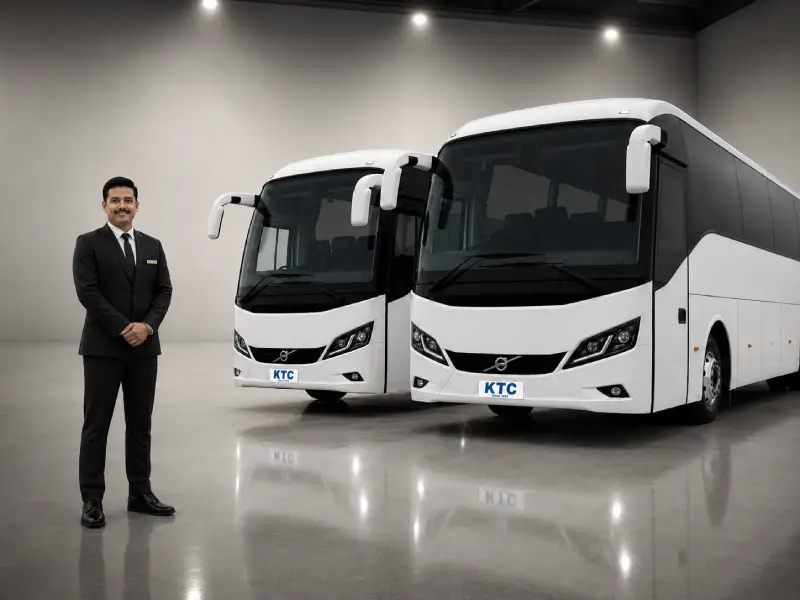
Squad movement runs on full-size Volvo touring coaches, chosen for seat pitch, underfloor capacity for cricket kit, climate control and a quiet cabin. Around them sit Mercedes-Benz Sprinters and mini vans for staff groups and equipment runs, executive sedans for officials and senior guests, and SUVs where security requires them.
Standby vehicles are held at every venue. In a tournament with no rest days built into the schedule, a breakdown without cover is not a delay, it is a missed fixture.
Across the host cities
The Indian leg drew on KTC’s existing city operations rather than a temporary tournament fleet, which is why the standard held. Each venue city is served year round: Ahmedabad, Chennai, Delhi, Mumbai and Kolkata.
A record across ICC tournaments
This was not KTC’s first World Cup. The company has supported ICC men’s T20 World Cup cricket across multiple editions, including 2021 and 2024, alongside ODI World Cup and global championship work. That continuity matters more than it sounds: tournament transport is a job where the second time is materially better than the first, because the venue access points, the staging areas and the failure modes are already known.
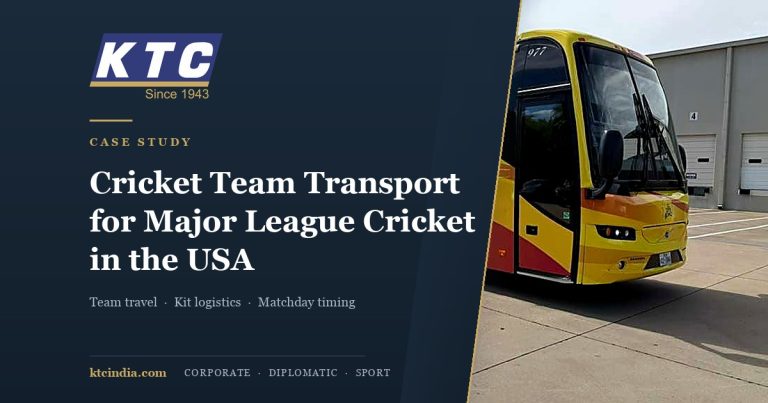
It sits alongside KTC’s wider sporting work, including team coaches for Major League Cricket in the United States and player transport for The Hundred in the United Kingdom.
Planning transport for a major tournament
The single most useful thing an organising committee or team can do is engage the transport partner at fixture-release stage rather than at travel-booking stage. Early engagement is what makes it possible to position fleets regionally, secure consistent crews for the whole window, walk every venue set-down point before the first ball, and build contingency in rather than improvise it at the third venue.
If you are planning movement for a tournament, tour or championship, see our sports team transportation service or talk to the team.
Frequently asked questions
What does an Official Ground Transportation Partner do?
It means one operator is accountable for the tournament’s vehicle movement rather than several local suppliers. That covers team transfers, match officials, tournament staff, broadcast crews and commercial guests, under one contract, one service standard and one escalation path.
Did KTC cover both India and Sri Lanka?
Yes. The 2026 tournament was co-hosted across five Indian venues and three Sri Lankan venues, and KTC provided ground transportation across both host countries to a single specification, so teams moving between them saw no change in standard.
Did KTC serve every team in the tournament?
Yes, all participating teams. Serving every side makes neutrality an operating requirement: identical vehicle standards for every squad, deliberate separation between opposing camps, and strict confidentiality on movements and timings.
What vehicles are used for international cricket squads?
Full-size touring coaches for the playing squad, because cricket kit needs real underfloor capacity and tall athletes need genuine seat pitch. Sprinters and mini vans handle staff and equipment, executive sedans cover officials and senior guests, and SUVs are used where security requires.
How far in advance should tournament transport be planned?
From fixture release. That is what allows fleets to be positioned regionally, the same crews to be held for the full window, venue set-down points to be walked in advance, and contingency to be built into the plan rather than improvised mid-tournament.
Has KTC worked on other ICC tournaments?
Yes. KTC has supported ICC men’s T20 World Cup cricket across multiple editions including 2021 and 2024, alongside ODI World Cup and other global championship work, and has delivered sports transport internationally in the United States and the United Kingdom.
Related reading
 Company NewsCricket Team Transport in the USA: KTC Coaches for Major League Cricket21 Aug 2026
 Company NewsPlayer Transport for The Hundred: KTC Ground Mobility Across England and Wales21 Aug 2026
 Industry InsightsWhy Fortune 500 Companies, HNIs & Mega Events Trust KTC for Ground Transportation1 Aug 2025