

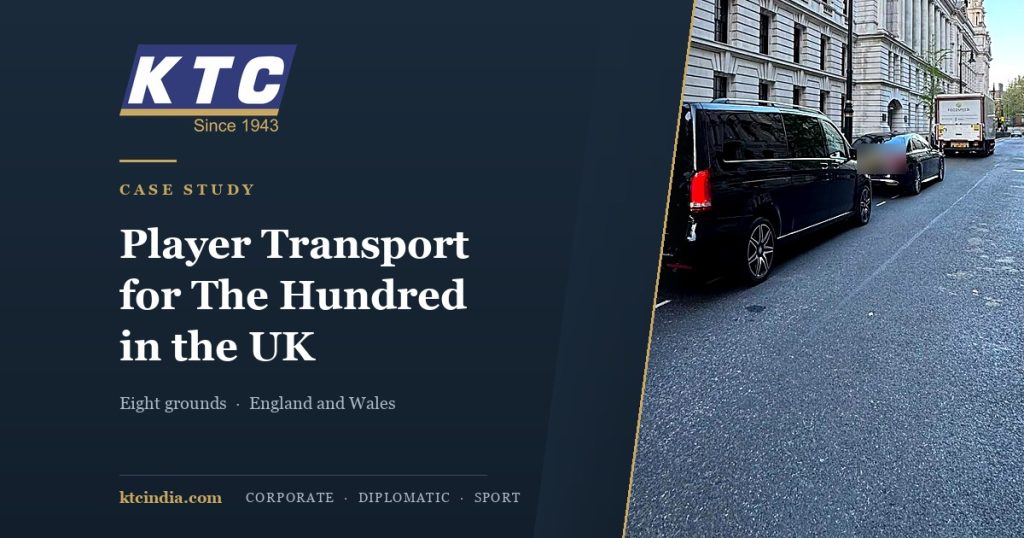
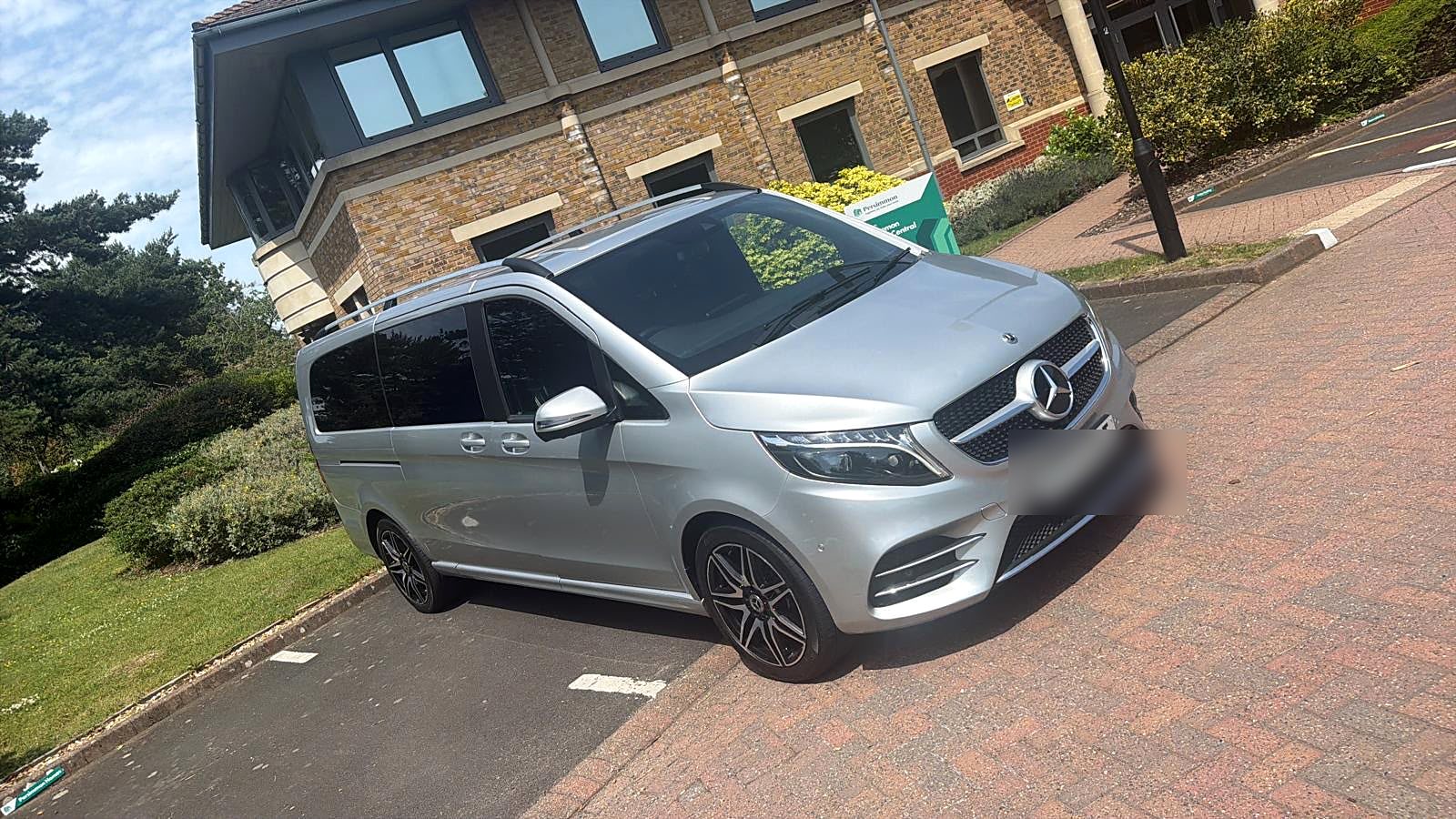
A franchise cricket competition played across eight grounds in a four week window, with two squads at most venues on the same day, is not a coach problem. It is a fleet problem. When KTC provided ground transport during The Hundred in the United Kingdom, the vehicles that did the work were Mercedes-Benz V-Class people carriers and executive sedans, not full-size team coaches.
This is a companion piece to our Major League Cricket case study, and the contrast between the two is the point. Same sport, same client type, completely different vehicle answer. Here is why.
What The Hundred asks of a transport operator
The Hundred is the England and Wales Cricket Board’s 100-ball competition, launched in 2021, with eight teams playing out of eight major grounds: Edgbaston, Lord’s, Old Trafford, Headingley, The Oval, the Utilita Bowl, Trent Bridge and Sophia Gardens. Men’s and women’s competitions run in parallel, and most matchdays are double-headers.
Three things follow from that structure, and each one shapes the fleet:
- Two squads, one venue, one day. A double-header means two playing groups arriving, warming up and departing around a shared schedule, plus two sets of support staff.
- Eight venues across England and Wales. Cardiff to Leeds is not a local operation. Vehicles and chauffeurs have to be positioned regionally rather than run out of one city.
- A compressed calendar. The competition runs through August. There is no slack in the schedule to absorb a vehicle that does not turn up.
Why V-Class, not a team coach
A 50-seat coach is the right answer when a squad moves as one block from a single hotel, as it does in a league built around one home venue. The Hundred does not work that way. Players join from county commitments and international duty, arrive on different flights and different days, and often move in small groups rather than as a full squad.
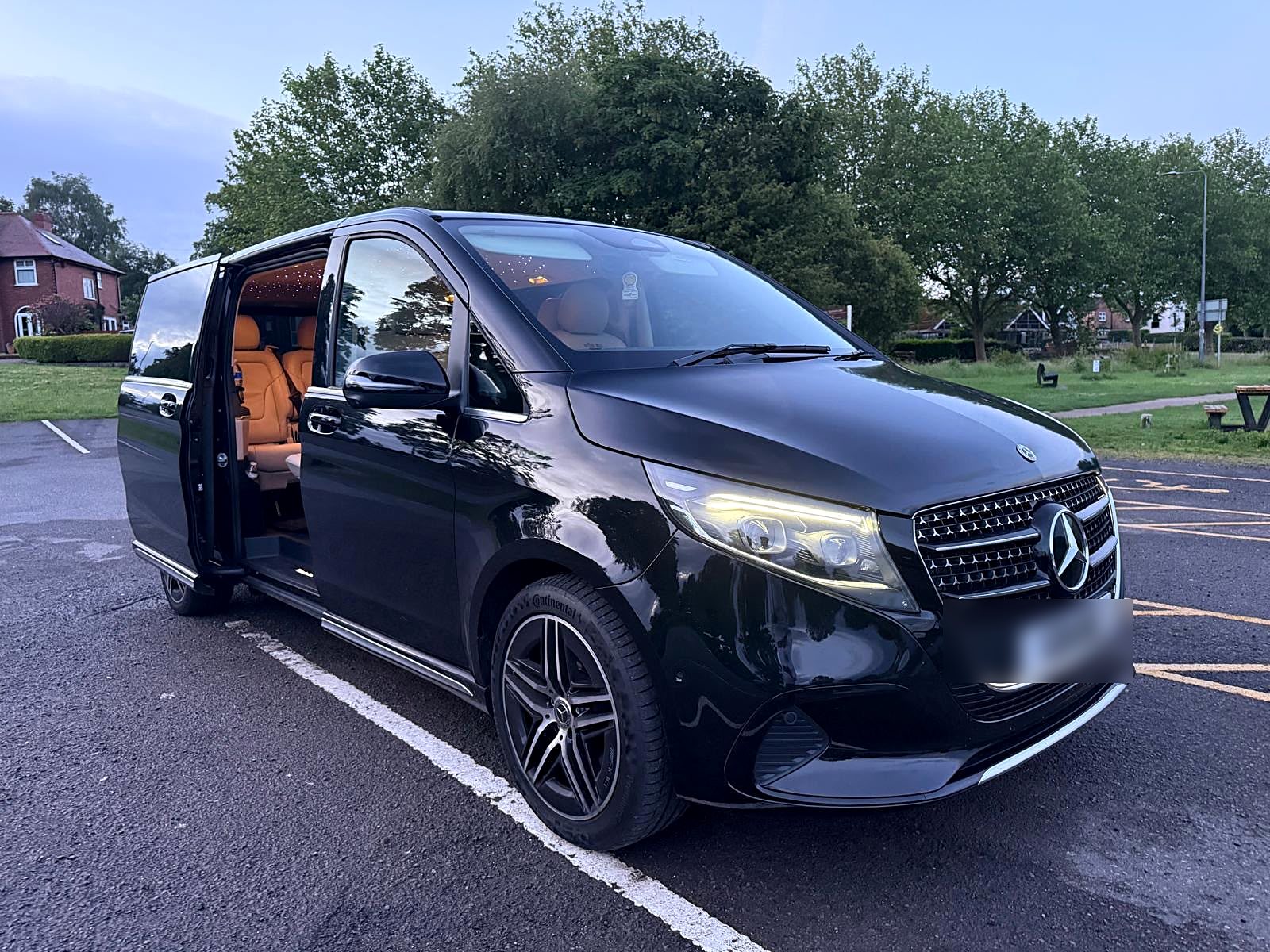
The Mercedes-Benz V-Class suits that pattern almost exactly:
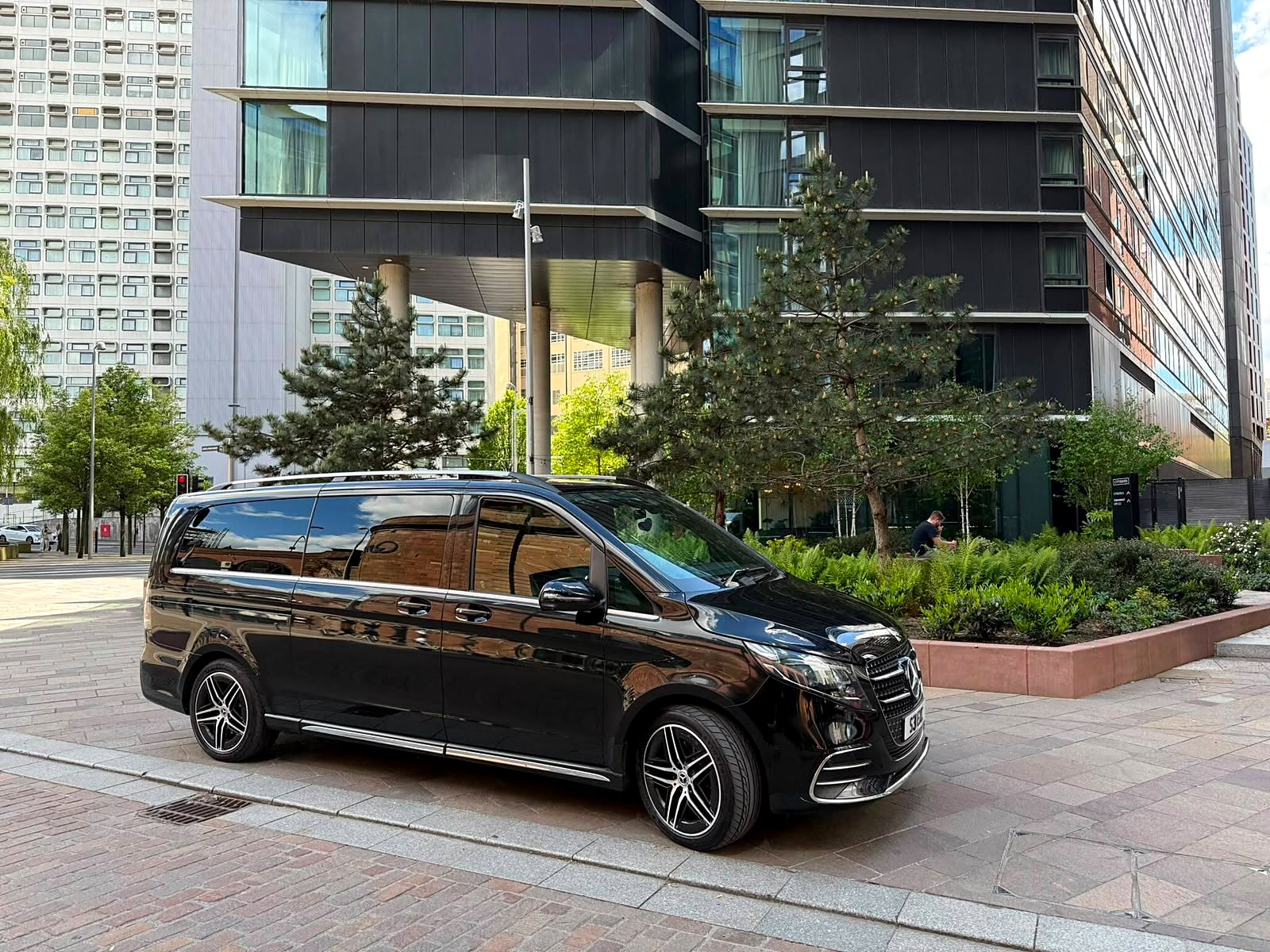
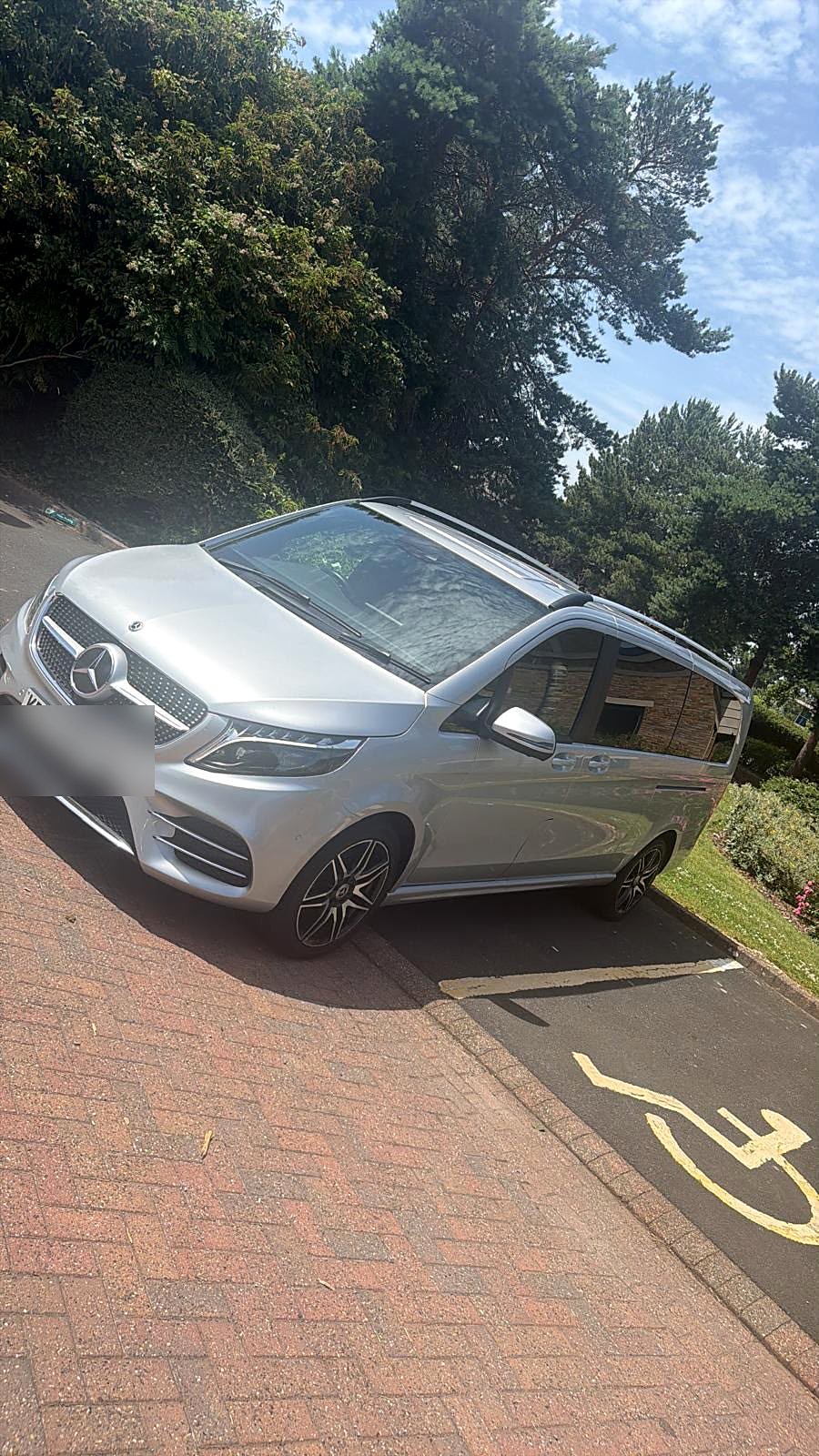
- Six to seven seats with real luggage space. Enough for a small group and their kit without committing a coach to four passengers.
- Privacy glass and a private cabin. Players arriving at a public ground are visible. A partitioned, tinted cabin matters more than people expect.
- Individual seating. Players can work, rest or take a call without sitting shoulder to shoulder.
- Access anywhere. A V-Class reaches hotel forecourts, city-centre grounds and residential streets that a full coach simply cannot enter.
- Scalable. Three V-Class vehicles move a full squad and flex back down to one for an airport run.
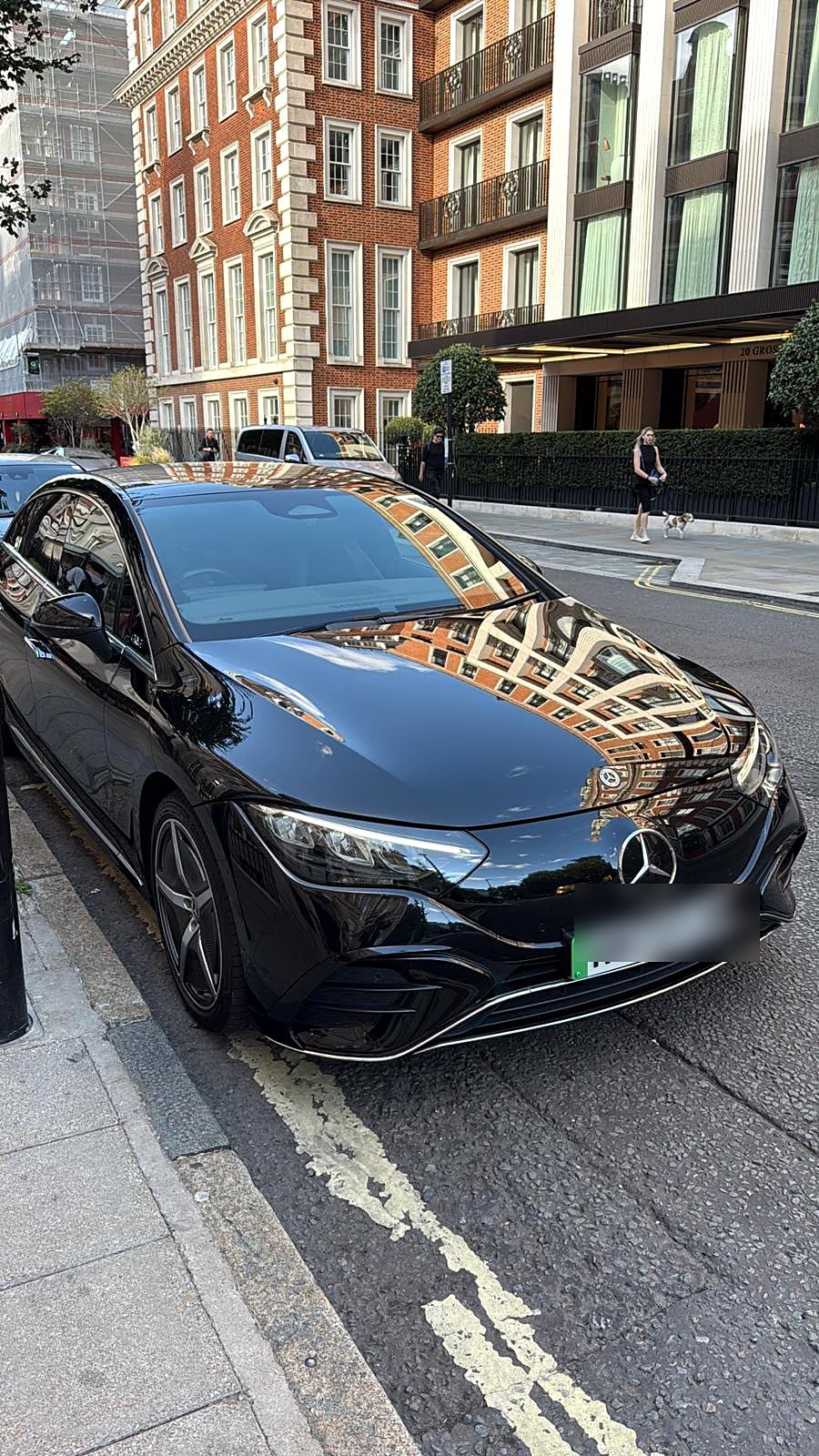
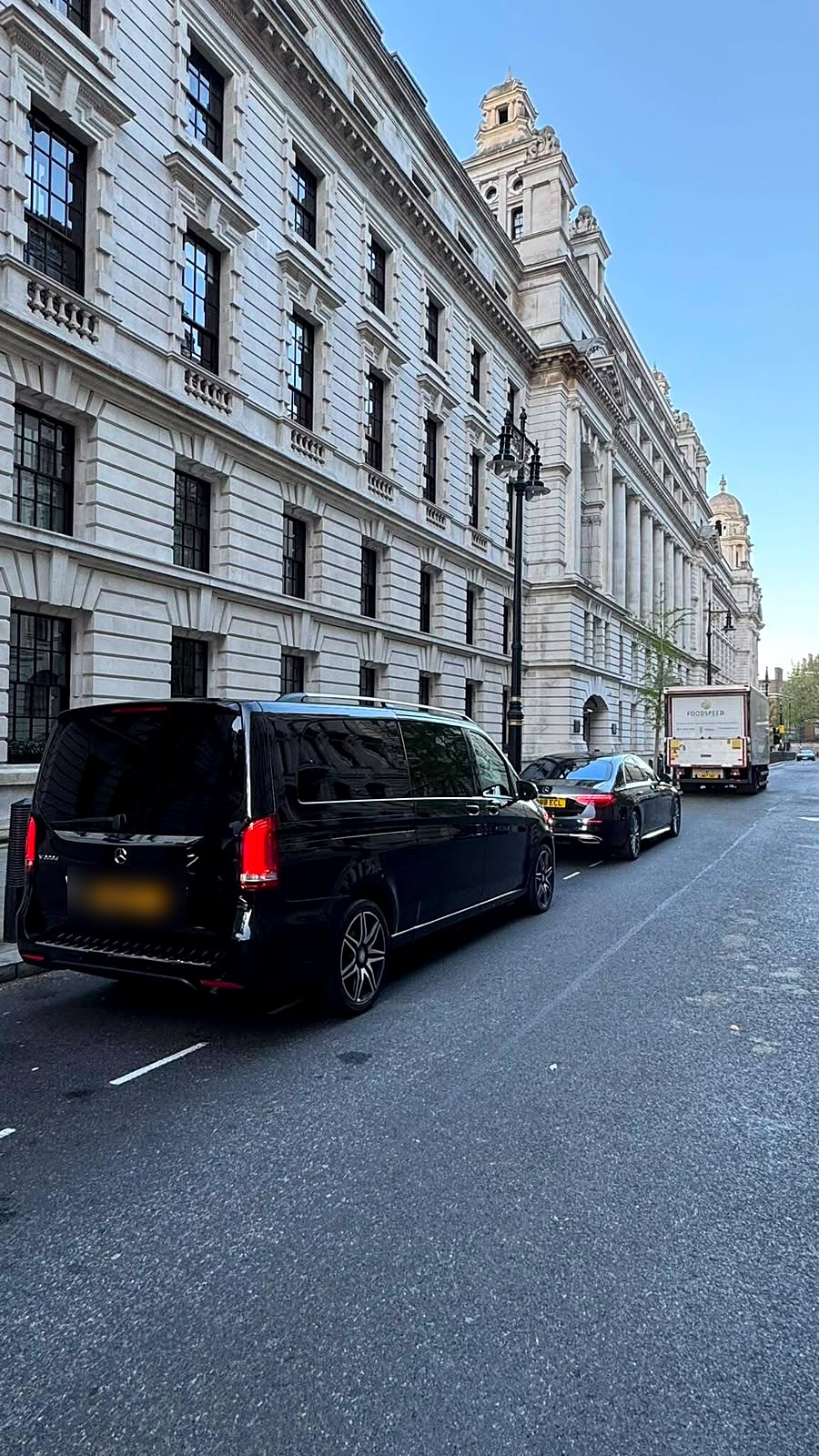
For individual movement, senior players, team management and sponsor guests, executive sedans handle the job with less presence than a people carrier. Where a full squad does need to travel as one unit, coaches remain available.
The movements that actually fill the day
Match transfers are the visible part of the job and the smallest part of the volume. Across a competition window the recurring work is:
- Airport collections for overseas players arriving on staggered flights, often late at night
- Hotel to ground transfers on training days as well as matchdays
- Inter-city moves between fixtures at opposite ends of the country
- Media, broadcast and press-duty movements that sit outside the squad schedule
- Family and guest transfers, which are a genuine welfare issue during a long tournament
- Late departures after a night finish, when the return is as important as the arrival
Discretion is part of the specification
Players in a televised competition are recognisable, and grounds are surrounded by supporters. Unmarked vehicles, chauffeurs briefed on where to wait, and set-down points agreed with venue operations in advance are not luxuries. They are the difference between a player walking twenty metres and a player being followed across a car park.
It is the same discipline KTC applies to VIP delegation movement and heads of state visits, where the arrival is public and the route is not.
Operating in the UK
KTC is an Indian operator with a self-owned fleet at home. In the United Kingdom, as across the rest of our international network, delivery runs through a vetted partner operator working to KTC’s brief, vehicle standard and reporting, with KTC holding the client relationship and the accountability.
For the client that means one contract and one escalation path whether the fixture is in Chennai, Dallas or Cardiff, which is the same structure described in the Belgian economic mission case study.
What we would tell a team planning next season
Book against the fixture list, not the travel dates. The moment the schedule is published, the useful work can start: positioning vehicles regionally, securing the same chauffeurs for the window so briefing does not restart every week, walking the set-down points at each ground, and agreeing in advance what happens when a match runs late or a player’s flight moves.
If you are planning movement for a tournament, a tour or a season, see our sports team transportation service or talk to the team.
Frequently asked questions
What vehicles suit a franchise cricket competition in the UK?
Mercedes-Benz V-Class people carriers handle most of the work, because players tend to move in small groups rather than as a full squad. Executive sedans cover individual and senior movement, and a full coach is added when the whole squad travels as one unit.
How is this different from supplying a team coach?
A coach suits a squad that moves as one block from a single base. A multi-venue competition with staggered player arrivals needs a flexible fleet instead: several vehicles that can scale up for a squad move and back down for a single airport run.
Can you cover multiple grounds across the country?
Yes. Vehicles and chauffeurs are positioned regionally rather than dispatched from one city, which is what makes fixtures at opposite ends of England and Wales workable inside a compressed calendar.
Do you handle airport transfers for overseas players?
Yes, and it is usually the highest-volume element. Players arrive on staggered flights across several days, frequently late at night, so arrivals are tracked and the chauffeur is briefed per flight rather than per booking.
How do you protect player privacy at a public ground?
Unmarked vehicles with privacy glass, chauffeurs briefed on approved waiting points, and set-down locations agreed with venue operations before the first fixture, so a player is not exposed crossing a public car park.
Does KTC operate outside India?
Yes. International work is delivered through vetted partner operators managed to KTC’s own brief and service standard, with KTC holding the client relationship, as with The Hundred in the United Kingdom and Major League Cricket in the United States.
Related reading
 Company NewsCricket Team Transport in the USA: KTC Coaches for Major League Cricket21 Aug 2026
 Company NewsVIP Delegation Transport in Practice: Ground Mobility for a Belgian Economic Mission to the USA21 Aug 2026
 Industry InsightsWhy Fortune 500 Companies, HNIs & Mega Events Trust KTC for Ground Transportation1 Aug 2025